
Wrought Iron or Steel?
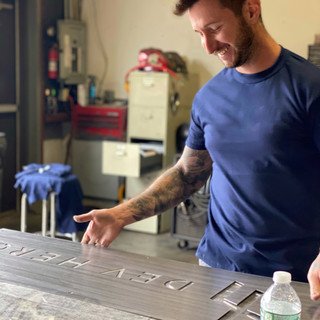
Steel vs. Wrought Iron: Unveiling the Differences in Your Fencing and Décor
When it comes to crafting fences, railings, and decorative elements, both steel and wrought iron have a long and storied history. But for the uninitiated, understanding the key differences between these two materials can be tricky. Fear not, design enthusiasts! This post will shed light on the composition, properties, and uses of steel and wrought iron, helping you make informed choices for your next project.

Under the Hood: Compositional Differences
Steel: This versatile alloy is primarily iron, but its true strength lies in the addition of carbon (usually less than 2%). Steel can also incorporate other elements like manganese, nickel, and copper, depending on the desired properties. This cocktail of elements allows steel to be tailored for a wide range of applications.
Wrought Iron: This historical material is forged from iron with a much lower carbon content (between 1% and 3%) compared to steel. The key here is the presence of slag, a glassy byproduct that gets incorporated during the forging process. This slag gives wrought iron a distinct fibrous texture and unique properties.
Strength and Durability
Steel: The presence of carbon makes steel generally stronger and more durable than wrought iron. This translates to better resistance against bending, warping, and weathering, making it a good choice for structural applications and outdoor elements.
Wrought Iron: While not as strong as steel, wrought iron boasts a surprising degree of flexibility and malleability. This characteristic made it ideal for intricate decorative work in the past. However, its lower carbon content makes it more susceptible to rust, requiring proper maintenance for outdoor use.
The Modern Landscape: Production and Applications
Steel: Modern steel production methods are efficient and cost-effective, making it the dominant choice for construction, tools, appliances, and much more. Even many decorative elements that resemble wrought iron are actually crafted from mild steel (low-carbon steel).
Wrought Iron: The traditional, labor-intensive production process of wrought iron has been largely replaced by steel. However, genuine wrought iron is still prized for restoration projects and high-end decorative work where its unique aesthetic and malleability are valued.
So, Which One Should You Choose?
Ultimately, the choice between steel and wrought iron depends on your specific needs:
For strength, durability, and affordability in outdoor applications, steel reigns supreme.
If you prioritize aesthetics, a touch of history, and the possibility of intricate designs, then genuine wrought iron might be worth the investment. However, be prepared for the additional maintenance requirements. In most cases, though, beautiful wrought iron fences and railings of today are actually crafted from mild steel for a good balance of aesthetics and practicality.
By understanding the composition and properties of steel and wrought iron, you can make informed decisions for your next project, ensuring both beauty and functionality.


Comments